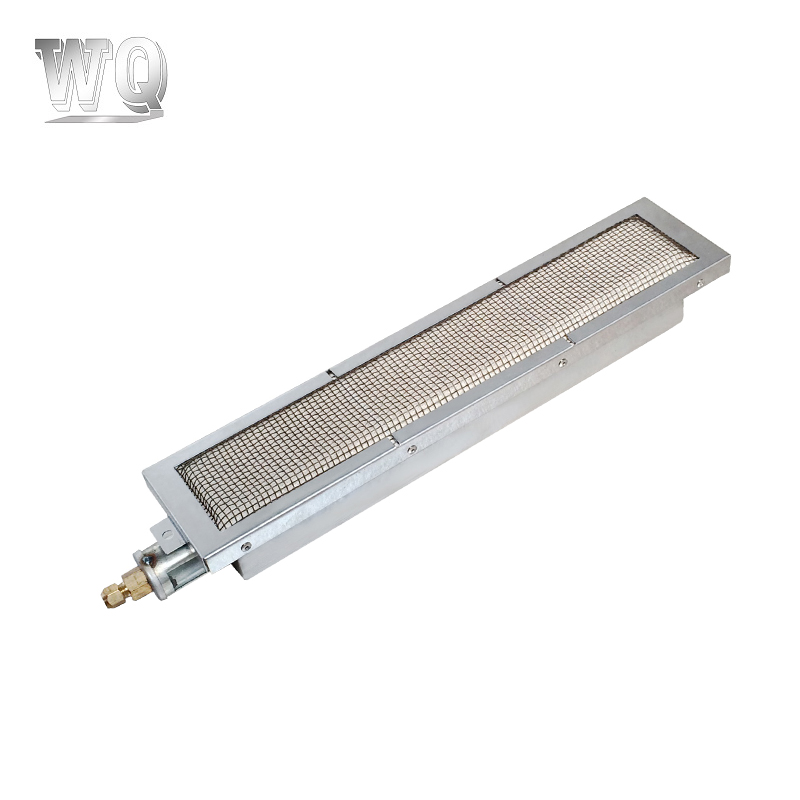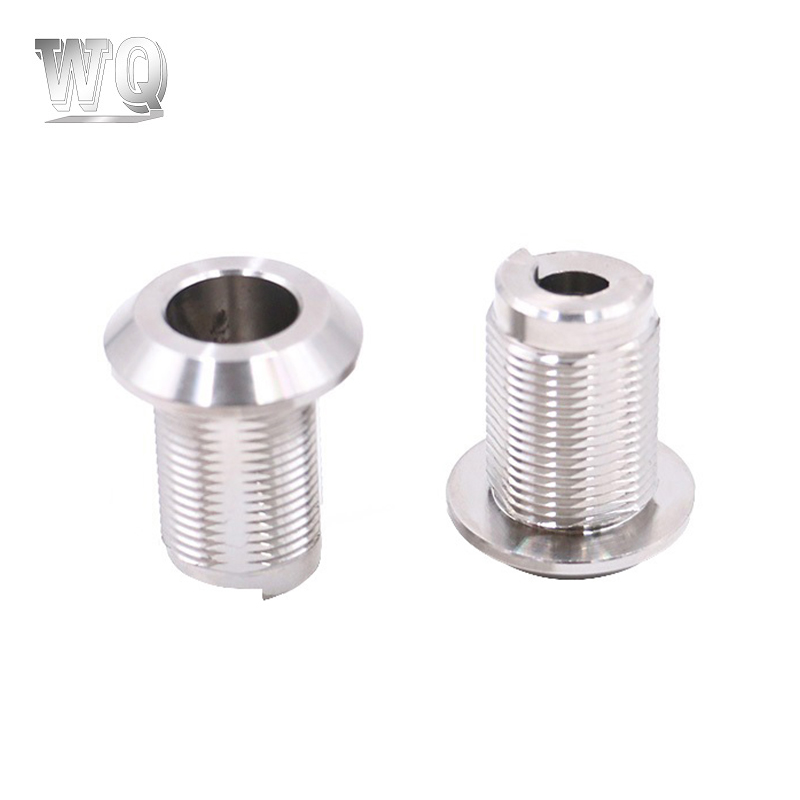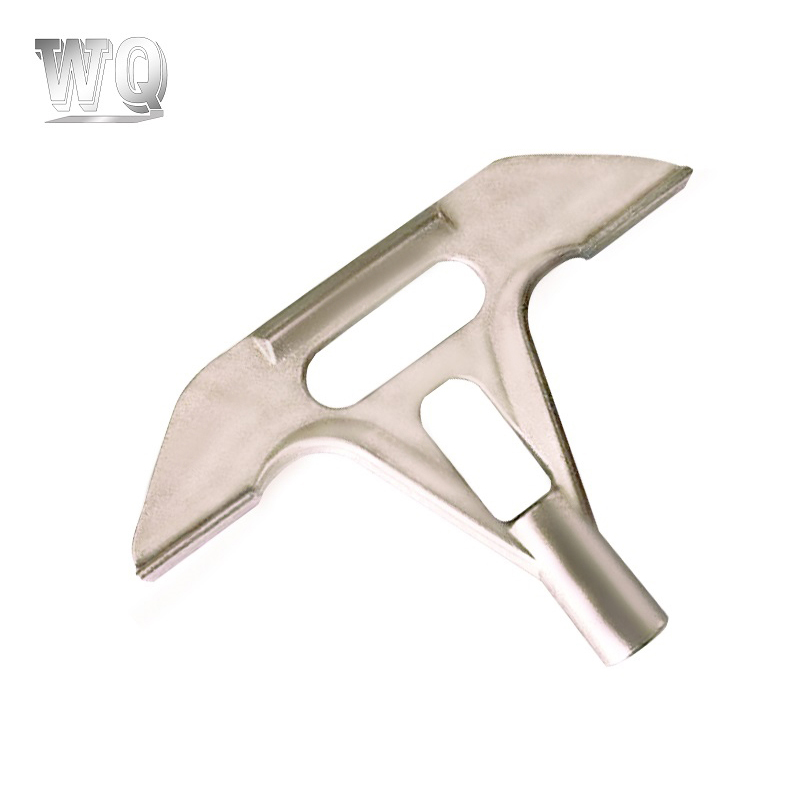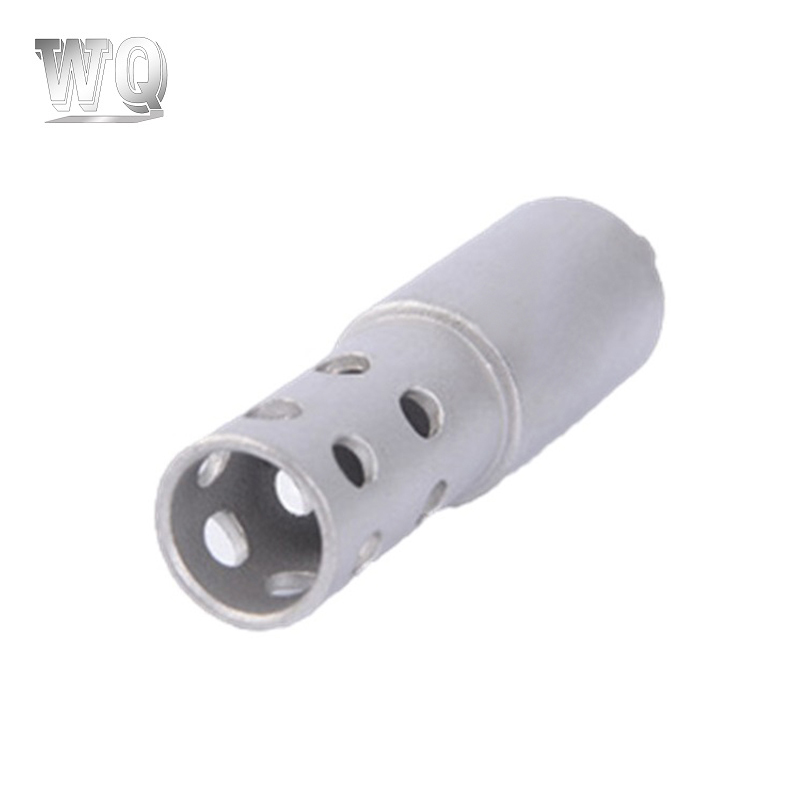




Stainless steel BBQ grill burners are the most durable and heat-efficient option for gas grills, offering superior resistance to corrosion and high temperatures compared to cast iron or aluminized steel alternatives. When properly maintained, high-quality stainless steel burners can last 5-10 years or more, providing consistent heat distribution and reliable performance season after season.
Understanding Stainless Steel Grades for Grill Burners
Not all stainless steel is created equal. The grade of stainless steel used in BBQ grill burners directly impacts durability, heat resistance, and corrosion protection. Knowing the differences helps you make informed purchasing decisions.
304 Stainless Steel
Grade 304 is the gold standard for premium grill burners, containing 18% chromium and 8% nickel. This composition provides excellent corrosion resistance, particularly against acidic foods and outdoor weather conditions. Burners made from 304 stainless steel typically cost 20-30% more than lower grades but offer significantly longer service life.
430 Stainless Steel
Grade 430 contains 17% chromium but lacks nickel, making it less expensive but also less resistant to corrosion. While adequate for moderate use, 430 stainless steel burners may show surface rust within 2-3 years in humid coastal environments or areas with heavy rainfall. These burners are common in mid-range grill models.
Comparison Table
| Property | 304 Grade | 430 Grade |
|---|---|---|
| Chromium Content | 18% | 17% |
| Nickel Content | 8% | 0% |
| Corrosion Resistance | Excellent | Good |
| Expected Lifespan | 5-10+ years | 2-5 years |
| Price Range | Premium | Budget-Friendly |
Design Types and Heat Distribution Patterns
Stainless steel BBQ grill burners come in several configurations, each affecting heat distribution, fuel efficiency, and cooking versatility. Understanding these designs helps match burner types to your grilling style.
H-Shaped Burners
H-shaped burners feature a central tube with two perpendicular arms, creating three flame zones. This design provides even heat distribution across 60-70% of the cooking surface and is ideal for indirect cooking methods like smoking or roasting. H-burners are common in medium to large grills with 400+ square inches of cooking area.
U-Shaped Burners
U-shaped burners wrap around the perimeter of the firebox, maximizing edge heating. They deliver consistent temperatures across 75-85% of the grill surface and excel at searing steaks or cooking multiple items simultaneously. The continuous flame path reduces cold spots but may consume slightly more fuel than H-shaped alternatives.
Straight Tube Burners
Straight tube burners run parallel across the grill width, often installed in sets of two or three. This modular approach allows for precise zone control, enabling simultaneous high-heat searing and low-temperature warming. Individual tubes typically measure 15-20 inches in length with diameters ranging from 0.75 to 1.5 inches.
Burner Output Specifications
BTU (British Thermal Unit) ratings indicate heat output capacity. Quality stainless steel burners produce between 8,000-15,000 BTUs per burner, with total grill outputs ranging from 30,000 to 60,000 BTUs for standard residential models. However, BTU alone doesn't determine performance—construction quality and heat distribution matter equally.
Common Problems and Troubleshooting Solutions
Even premium stainless steel burners encounter issues over time. Recognizing symptoms early prevents complete failure and extends component life.
Uneven Flame Patterns
Irregular flames indicate blocked ports or debris accumulation. Spider webs, grease buildup, or food particles commonly obstruct burner holes. Clean ports monthly using a wire brush or specialized port cleaning tool. For stubborn clogs, remove burners and soak in warm soapy water for 30 minutes before scrubbing.
Surface Rust Formation
Surface rust on stainless steel burners doesn't necessarily indicate structural failure. Light rust can be removed with a stainless steel cleaner or a paste made from baking soda and water. Apply protective coating after cleaning to prevent recurrence. If rust penetrates through the metal wall, replacement becomes necessary to avoid gas leaks.
Ignition Failures
When burners fail to ignite, check these components in order:
- Verify gas supply valve is fully open
- Inspect igniter electrode for proper positioning (1/8 inch from burner)
- Clean electrode tip with fine sandpaper to remove carbon buildup
- Test battery in electronic ignition systems
- Check for cracked or disconnected ignition wires
Yellow or Orange Flames
Healthy propane or natural gas flames should burn blue. Yellow or orange flames indicate incomplete combustion, often caused by insufficient air mixture or contaminated gas. Adjust the air shutter on the burner venturi tube to increase oxygen flow. If problems persist, consult a certified technician to inspect gas pressure and regulator function.
Maintenance Best Practices for Longevity
Proactive maintenance dramatically extends the life of stainless steel BBQ grill burners. Following systematic care routines prevents costly replacements and ensures safe operation.
Regular Cleaning Schedule
Establish a cleaning routine based on usage frequency:
- After each use: Brush cooking grates and wipe exterior surfaces
- Monthly: Inspect burner ports and clean with wire brush
- Seasonally: Remove burners for deep cleaning and inspection
- Annually: Check for corrosion, cracks, or warping
Deep Cleaning Procedure
For thorough seasonal maintenance, follow these steps:
- Turn off gas supply and disconnect propane tank or natural gas line
- Remove cooking grates and heat plates to access burners
- Unscrew burner mounting brackets carefully
- Soak burners in solution of warm water and mild dish soap for 20-30 minutes
- Use nylon brush to scrub interior and exterior surfaces
- Clear each port hole with appropriate-sized wire or pin
- Rinse thoroughly and dry completely before reinstallation
- Reassemble components and test ignition before regular use
Protective Measures
Invest in a high-quality grill cover rated for UV resistance and waterproofing. Covers protect burners from rain, snow, bird droppings, and tree sap that accelerate corrosion. Store grills in sheltered locations when possible, particularly during extended non-use periods in winter months.
When to Replace vs. Repair Stainless Steel Burners
Determining whether to repair or replace damaged burners depends on damage severity, age, and cost considerations. Making the right choice saves money and ensures safe grilling operations.
Signs Replacement Is Necessary
Replace stainless steel BBQ grill burners immediately if you observe:
- Visible holes or cracks in burner walls larger than 1/8 inch
- Extensive rust penetration through metal thickness
- Warped or bent tubes that don't sit properly in mounting brackets
- Persistent gas odors indicating leaks despite tightened connections
- Burners older than 10 years showing multiple deterioration signs
Repairable Conditions
Minor issues often warrant repair rather than replacement:
- Surface rust removable with cleaning agents
- Clogged ports cleared with proper tools
- Loose mounting hardware tightened or replaced
- Minor dents not affecting gas flow or structural integrity
Cost Comparison
| Service Type | DIY Cost | Professional Cost |
|---|---|---|
| Cleaning Supplies | $10-20 | N/A |
| Single Burner Replacement | $25-60 | $75-150 |
| Complete Burner Set | $80-200 | $200-400 |
| Professional Inspection | N/A | $50-100 |
Replacement becomes cost-effective when repair expenses exceed 50% of new burner costs or when multiple burners show advanced wear. Investing in quality stainless steel replacements ensures reliable performance for years to come.
Choosing the Right Replacement Burners
Selecting compatible replacement burners requires attention to specifications, dimensions, and manufacturer guidelines. Proper matching ensures safe installation and optimal performance.
Measurement Guidelines
Before purchasing replacements, measure your existing burners accurately:
- Overall length from end to end
- Tube diameter (outside measurement)
- Distance between mounting bracket holes
- Venturi tube opening size for gas connection
- Number and spacing of flame ports
OEM vs. Aftermarket Options
Original Equipment Manufacturer (OEM) burners guarantee perfect fit and performance but typically cost 30-50% more than aftermarket alternatives. Reputable aftermarket manufacturers produce compatible burners meeting or exceeding OEM specifications at lower prices. Verify warranty coverage and return policies when choosing non-OEM options.
Installation Tips
Proper installation prevents gas leaks and ensures efficient operation:
- Read manufacturer instructions completely before beginning
- Apply thread sealant rated for gas applications to connection points
- Tighten connections firmly but avoid over-torquing
- Perform leak test using soapy water solution on all connections
- Check for bubbles indicating gas escape before lighting burners
- Verify even flame pattern across all ports during initial test fire
Quality stainless steel BBQ grill burners represent a worthwhile investment for anyone serious about outdoor cooking. By understanding material grades, maintaining proper care routines, and addressing issues promptly, you maximize both performance and longevity. Whether repairing existing components or selecting replacements, informed decisions ensure safe, efficient, and enjoyable grilling experiences for years to come.